


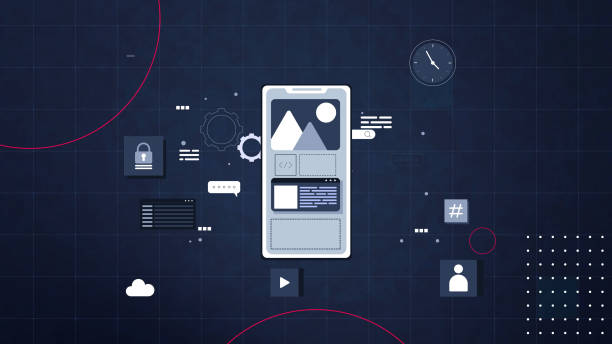
Mobile browsing has transformed the manner in which people process content. Where desktop material once encouraged slow, thoughtful reading, today’s phone displays promote glances, brief attention spans, and rapid choices. This change happened organically: smaller screens, shorter interaction times, and continuous movement pushed users toward a more condensed way of absorbing material.
Why Mobile Users Have Learned to Scan Instead of Read
As scrolling became the primary gesture on smartphones, attention patterns evolved with it. People learned to move through information in layers – first noticing headlines and key markers, then pausing only when something stands out. This rhythm turns reading into scanning, with the brain picking up structure, spacing, and visual cues faster than traditional paragraphs. Quick recognition now matters more than deep analysis in many mobile contexts. On a small screen, clarity and hierarchy guide the eye long before the mind begins to interpret details.
What Modern App Interfaces Show Regarding Rapid Information Processing
Modern app design demonstrates how strongly clarity influences the way people absorb information. Clean layouts direct the eye almost automatically: the most important elements sit at the top, secondary details fall into predictable positions, and visual grouping makes it obvious which blocks belong together. Instead of forcing users to decode the screen, good design “steers” attention toward what matters.
A practical example of this principle appears in well-structured tools like the parimatch app for android where a tidy layout and consistent spacing make navigation feel straightforward. Users don’t need to study the interface – they simply follow the visual markers that highlight menus, categories, and core actions.
Isolation, symbols, and simple segmentation also reduce mental effort. When material is split into manageable chunks, the mind handles it with less strain. Icons serve as fast indicators that substitute lengthy descriptions, while spacing separates concepts so they do not merge into a single, bothersome mass. These visual signals shorten the time a user needs to grasp the display, even if it is their first visit.
Uniformity across displays further decreases the learning period. When controls, segments, and navigation behave identically on every page, users establish familiarity quickly. They grasp templates once and then use them universally, which accelerates identification and sustains an intuitive experience from the first touch.
Visual Cues That Help Users Understand Content in Seconds
Visual signals are among the most potent instruments in modern interface structure because they reduce the time users spend interpreting a display. Rather than depending on lengthy explanations, applications convey meaning through small, instantly recognized prompts. These cues help users decide where to concentrate, which functions are accessible, and how the screen is organized – often within a single look.
Color designation plays an important role in this process. Vibrant hues can emphasize active items or critical information, while subdued tones denote auxiliary material. Even without reading a caption, users instinctively understand which parts of the screen deserve focus and which can be examined later.
Micro-Animations to Show Changes
Typography and hierarchy reinforce this clarity. Larger titles create entry points for the eye, while smaller subtitles and micro-labels build structure around them. This layered approach turns dense information into something easy to navigate, helping users find context quickly without getting stuck in long text blocks.
Numerous applications also rely on delicate micro-movements to show state changes. These minute alterations – a button adjustment, a loading flicker, a menu highlight – provide validation without burdening the user or distracting from the primary content.
Here’s a simple breakdown of the visual cues that shape this fast understanding:
- Color markers that signal urgency, categories, or active selections.
- Hierarchical typography that organizes content into clear levels.
- Micro-animations that confirm actions or updates in a quiet, unobtrusive way.
These techniques work together to make information feel lighter, clearer, and easier to absorb within seconds.
Apps Train Memory More Effectively
With every return to an accustomed application, users strengthen recognition cycles – the mind’s inherent method of grasping structures through repetition. When symbols, menus, or screen arrangements appear consistently, the mind ceases treating them as new information and starts processing them almost automatically. This reduces the cognitive effort required to navigate and accelerates the ability to scan instead of read.
Familiar UI formats such as tabs, cards, and fixed navigation contribute significantly to this effect. Tabs let users shift between areas without relearning the structure each time. Card layouts divide content into predictable sections that can be reviewed quickly. Fixed navigation keeps vital functions visible, so users do not need to search for them repeatedly. These shared formats across different applications foster a sense of assurance because they eliminate unexpected elements.
Routine interaction further accelerates comprehension. Each short session adds a bit of familiarity: users learn where updates appear, how elements behave, and which parts of the screen usually contain important information. Over time, scanning becomes second nature. What once required careful reading becomes a smooth, intuitive flow where the eyes pick up structure before the mind analyzes details.
What Professionals Can Learn From App Design
The same principles support enhanced documentation. Adopting interface methods – such as list formats, visual clustering, or minor tags that function as mini-titles – turns records into a navigable guide instead of a prolonged flow of content. This makes reviewing more natural and reduces the time spent searching for specific elements afterward.
At the heart of all these takeaways is a simple reality: organized knowledge is consistently easier to grasp. Whether on a phone display, in classroom notes, or inside a professional file, clarity reduces mental effort and accelerates understanding. Excellent layout in applications demonstrates how powerful that organization becomes when applied beyond the digital environment.
