


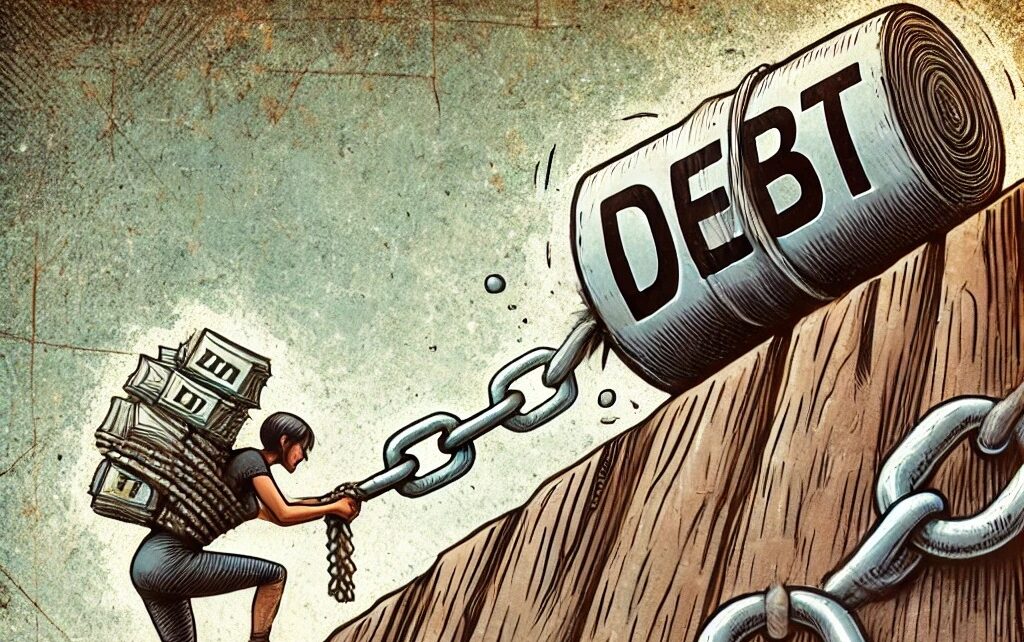
In an era of economic uncertainty, financial resilience is more important than ever. Unexpected expenses, job market fluctuations, and unforeseen challenges can put a strain on personal finances. However, with the right mindset and strategic planning, overcoming financial obstacles is possible. This article explores practical ways to strengthen financial resilience and navigate difficult financial situations with confidence.
Understanding Financial Resilience
Financial resilience refers to the ability to withstand and recover from economic setbacks. It involves maintaining stability in the face of challenges such as sudden medical bills, vehicle repairs, or job loss. The key to financial resilience is preparation—having safeguards in place to mitigate financial stress when unexpected circumstances arise.
Building a Strong Financial Foundation
A solid financial foundation provides the security needed to navigate economic uncertainty. Here are some key steps to strengthen financial stability:
1. Create an Emergency Fund
Having an emergency fund is essential for financial security. This fund acts as a safety net to cover unforeseen expenses, preventing reliance on high-interest credit options. A general rule of thumb is to set aside at least three to six months’ worth of living expenses. Those struggling to build an emergency fund can start small, contributing a percentage of their income every month.
2. Budget Wisely
Creating and sticking to a budget helps maintain financial discipline. Categorizing expenses and identifying areas where costs can be reduced enables better financial decision-making. Using budgeting tools or apps can make tracking expenses easier and more efficient. Budgeting should be a dynamic process, reviewed and adjusted regularly to accommodate changing financial circumstances.
3. Reduce Debt Strategically
Managing debt is crucial for financial resilience. Prioritizing high-interest debt while maintaining minimum payments on other obligations can lead to long-term financial relief. Consolidating debts or negotiating lower interest rates may also be effective in reducing financial strain. Creating a repayment strategy—such as the snowball or avalanche method—can help individuals take control of their financial obligations in a structured manner.
Navigating Financial Challenges
Even with the best planning, financial difficulties can arise. Knowing how to approach these challenges can make a significant difference in long-term financial well-being.
1. Explore Alternative Income Sources
Diversifying income streams can provide financial security during uncertain times. Freelancing, gig work, or passive income opportunities can supplement primary income and act as a buffer against financial disruptions. Selling unused items, monetizing hobbies, or taking on part-time work can also help alleviate financial strain.
2. Access Responsible Financial Assistance
In some situations, seeking financial assistance may be necessary. Exploring options such as a bad credit loan can provide temporary relief, allowing individuals to manage urgent expenses while working toward long-term financial stability. It is important to assess loan terms carefully and ensure they align with one’s ability to repay. When considering financial assistance, individuals should research lenders thoroughly, compare terms, and avoid predatory lending practices.
3. Improve Financial Literacy
Educating oneself on personal finance topics can lead to informed decision-making. Resources such as books, online courses, and financial advisors can provide valuable insights into money management and wealth-building strategies. Understanding credit scores, interest rates, and investment options can help individuals make better financial decisions.
Overcoming Debt-Related Stress
Debt is one of the most significant financial burdens that individuals face, and managing it effectively is key to maintaining financial resilience. The emotional toll of debt can be overwhelming, but there are steps to regain control.
1. Identify the Root Causes of Debt
Understanding how debt accumulated is crucial in preventing future financial hardship. Was it due to medical emergencies, unexpected expenses, or lifestyle choices? Identifying the root cause allows individuals to adjust their financial habits and avoid repeating past mistakes.
2. Develop a Debt Repayment Plan
Creating a structured plan to tackle debt makes the process manageable. The snowball method—paying off the smallest debts first for psychological motivation—or the avalanche method—targeting the highest-interest debts first—are effective repayment strategies. Consistency and discipline are key to reducing debt over time.
3. Seek Financial Counseling
Professional financial counselors can provide guidance on managing debt and improving financial habits. They offer personalized strategies to reduce interest payments, negotiate with creditors, and create a long-term financial plan.
Long-Term Financial Strategies
Sustaining financial resilience requires long-term planning and discipline. Here are a few strategies to ensure continued financial stability:
1. Invest in Future Security
Investing in assets such as retirement funds, stocks, or real estate can provide financial growth and long-term stability. Diversified investments help mitigate risk while building wealth over time. Even small contributions to retirement accounts can make a substantial difference in financial security later in life.
2. Maintain Good Credit Habits
A strong credit history provides access to better financial opportunities. Making timely payments, keeping credit utilization low, and avoiding unnecessary debt contribute to a healthy financial profile. Checking credit reports regularly and disputing inaccuracies can also help maintain a strong credit standing.
3. Plan for Major Expenses
Anticipating significant expenses, such as home repairs, education costs, or medical procedures, allows for better financial preparedness. Allocating funds for these expenses in advance reduces financial stress when they arise. Planning ahead also minimizes reliance on high-interest financing options.
Financial Resilience in a Changing Economy
The economy is constantly evolving, and staying financially resilient requires adaptability. Inflation, shifts in job markets, and changes in financial regulations can all impact personal finances. Keeping up with economic trends and adjusting financial plans accordingly ensures long-term stability.
1. Adapt to Economic Changes
Understanding economic shifts and being flexible with financial plans can help individuals weather financial challenges. Adjusting spending habits, exploring new income opportunities, and maintaining financial discipline are all ways to stay financially resilient.
2. Leverage Community and Government Resources
Government programs, nonprofit organizations, and community support systems can provide financial assistance during difficult times. Researching available resources and utilizing them when necessary can help alleviate financial burdens.
3. Stay Proactive and Vigilant
Financial resilience requires continuous effort. Regularly reviewing financial goals, monitoring spending habits, and adjusting financial strategies ensures long-term success. Developing a proactive mindset allows individuals to stay ahead of potential financial difficulties and build lasting stability.
Conclusion
Financial resilience is not about avoiding challenges but about preparing to overcome them. By building a strong financial foundation, navigating financial obstacles wisely, and implementing long-term strategies, individuals can achieve financial security. The journey to financial resilience requires discipline, education, and strategic planning, but the rewards of financial stability and peace of mind make the effort worthwhile.
Debt and financial setbacks may feel overwhelming, but with persistence and careful planning, anyone can regain control of their financial future. Staying informed, proactive, and resourceful will pave the way for long-term success and financial freedom.
